Engineering the surface,
not the bulk

Most of what a material does in service happens in its first few microns: adhesion, barrier, wetting, release. That is the scale we work at.

Method

Surface science held to the constraints of the equipment that has to run it, at production speed

Understanding
the surface

SUBSTRATE CONSTRAINTS BINDING

Substrate and constraint map

We start at the surface itself: what it is made of, what it has to survive, and which of those constraints is actually binding.

  • Substrate surface analysis

  • Contact and regulatory class

  • Target barrier properties

  • Process temperature window

  • Application equipment survey

  • Service-life or shelf-life target

  • Failure mode review

Designing
the layer

POLYMER ADDITIVES RHEOLOGY TEST LAYER TO SPEC

Candidate coating system

Polymer, carrier and nano-additive selection, iterated in our own lab until the layer does what the specification asks of it.

  • Polymer and carrier selection

  • Nano-additive system design

  • Rheology for the application method

  • Adhesion and wetting trials

  • Iteration against specification

Applying it
at line speed

LINE SPEED DEPOSITION THICKNESS CURE

Layer applied on target equipment

Deposition, thickness control and curing matched to the equipment that will run it, not to ideal laboratory conditions.

  • Deposition method selection

  • Layer thickness control

  • Curing and drying profile

  • Line-speed compatibility

  • Trial runs on target equipment

  • Process window definition

Proving the
performance envelope

PERFORMANCE ENVELOPE SPEC HOLDS BARRIER ADHESION AGEING MIGRATION

Validated performance envelope

Structured testing that establishes where the coating performs, where it stops performing, and how it behaves as it ages.

  • Barrier and permeability testing

  • Adhesion and durability testing

  • Accelerated ageing

  • Migration and safety testing

  • Documentation for transfer

Design

Surfaces designed for what happens after they leave the lab.

Nano-coating
systems

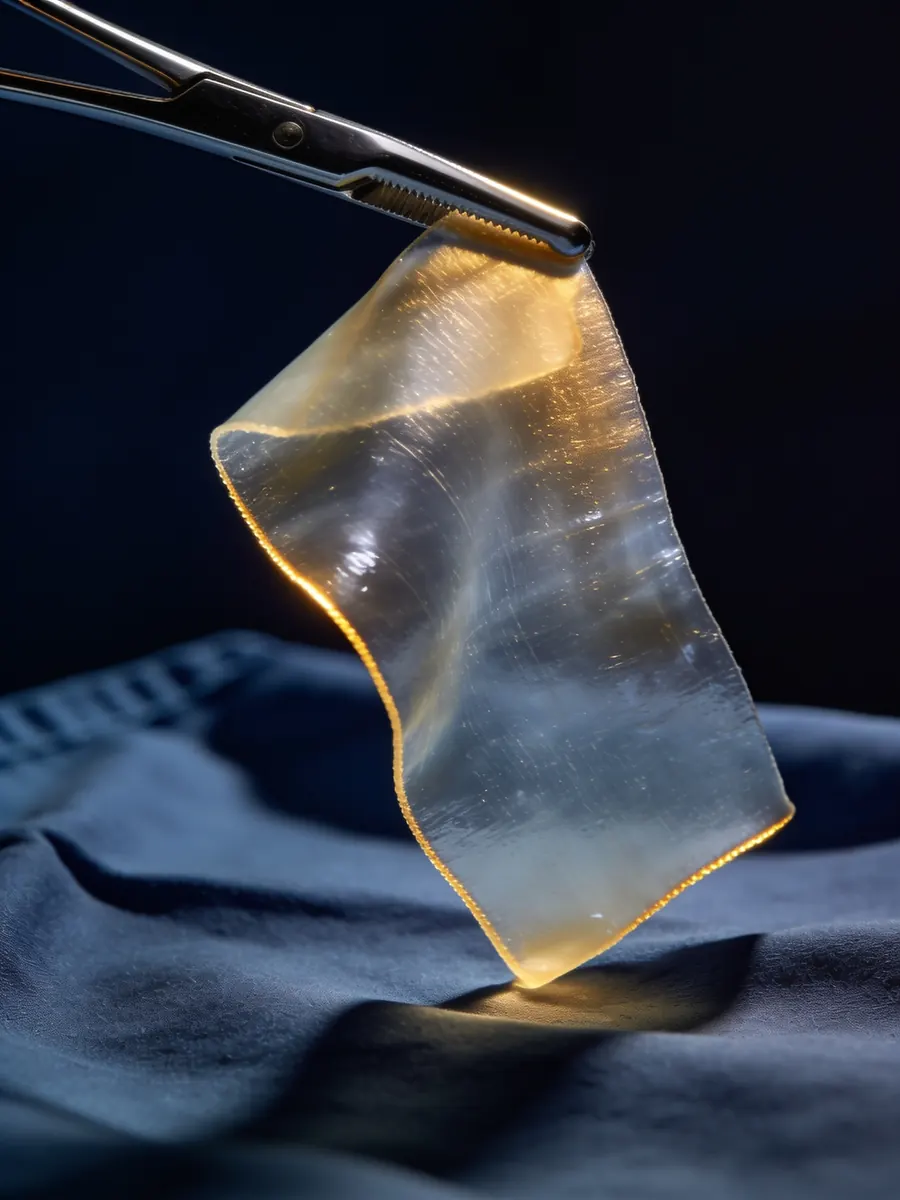
Nano-coating systems: thin functional layers that change how a surface behaves without changing the substrate underneath.

Surface
functionalisation

Surface functionalisation: adhesion, wetting and release behaviour tuned to the process that comes after yours.

Encapsulation
and release

Encapsulation and controlled release: actives held in a matrix and released on the trigger and timescale you specify.

Food-grade
coating systems

Food-grade coating systems: edible, washable layers formulated for direct contact with fresh produce.

Barrier
performance

Barrier performance: moisture, oxygen and migration behaviour characterised against the shelf life you need to hold.

Application
and curing

Application and curing: how the layer is laid down and set, matched to equipment you already run.
Technology branches
Technology branches

Technology branches

Technology branches